Hong Kong to North America air cargo rates up 38.7% year on year
The TAC Index shows the average October rate was 34% higher than a year earlier, while jet fuel cost 118.5% more year on year. Analysts expect rates to keep rising until peak season ends.
Air cargo rates from Hong Kong to North America rose throughout October, according to aircargonews.net, which cites the TAC Index. By the end of the month they were 38.7% above last year’s level. The index covers both one-off (spot) rates and rates under long-term contracts. The article was published on 2 November and written by Damian Brett.
The average rate for the whole of October on this lane was 34% higher than a year earlier and also above September’s level. The publication cites two drivers of demand. The market is approaching the traditional fourth-quarter peak. On top of that, much of the space on transpacific flights was already taken up by cargo linked to artificial intelligence projects and data centres. A third factor, this time on the cost side, is fuel.
Demand and fuel
IATA (the International Air Transport Association) data offers indirect confirmation of demand: Asia - North America traffic in September grew by 17% compared with September last year. The article does not specify which metric is being compared. The figure covers Asia as a whole, not just Hong Kong.
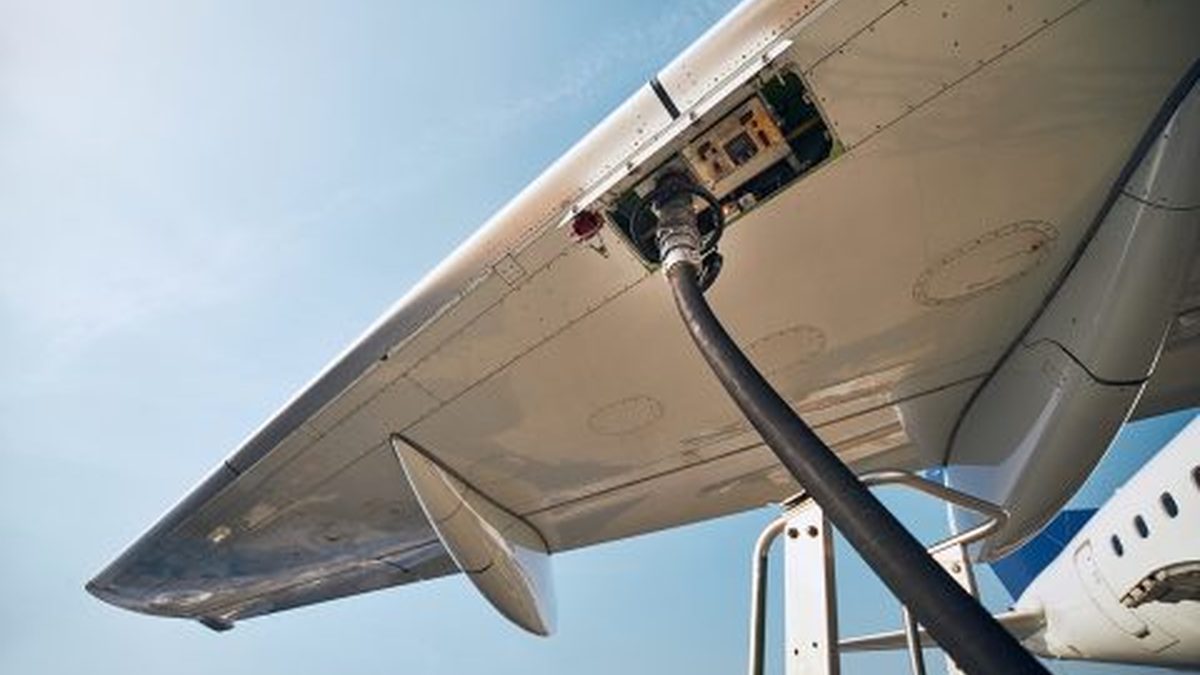
The price of jet fuel feeds directly into the cost of carriage. According to the publication, fuel accounts for about a third of an airline’s costs. IATA and Platts data show that in the week ending 23 October, jet fuel cost 118.5% more than a year earlier. The publication links this to the conflict in the Middle East. In its weekly review, TAC writes that rates have stayed high since late February:
Rates have been at elevated levels most of the year ever since conflict in the Middle East between the US, Israel and Iran erupted in late February.
From aircargonews.net
Fuel prices have started rising again in recent weeks. TAC points to another cause: Ukrainian strikes on Russia, which analysts believe are reducing global output of refined products. This has widened the gap between the price of crude oil and the price of refined products (known in the industry as the crack spread). In other words, refined products now cost more relative to crude than they did before. The source gives no separate data on how this has affected jet fuel.
Hong Kong - Europe
Rates from Hong Kong to Europe are also rising along with seasonal demand. The average October rate was 15.7% higher than a year earlier and above September’s level.
Demand on this lane, however, has grown more slowly in recent months. The publication links this to the European Union’s levy of €3 per parcel worth less than €150, introduced to curb the rapid growth of online orders flowing into the bloc. A further €2 handling fee was due to take effect from 1 November. According to IATA, Asia - Europe traffic grew by 6% year on year in September, about a third of the growth on the North America lane.
What this means for shippers
TAC analysts expect rates to keep rising until the peak period is over. In their view, demand has not yet peaked, and fuel supply is tight:
With demand yet to reach the top of peak season highs and jet fuel supplies so tight, sources suggest that pressure for rates to rise further is still very much increasing.
From aircargonews.net
For those shipping cargo from and via Hong Kong to North America, the TAC outlook means one thing: analysts do not expect rates to fall in the coming weeks. Shippers who can lock in prices in advance should discuss this with their carrier or forwarder before the peak. The source does not say when or by how much rates will come down.
Expensive fuel affects all air carriers, not just transpacific lanes. If jet fuel continues to cost double last year’s level, pressure on fuel surcharges will persist on other routes too. The source does not cite any specific decisions by carriers.
Sellers shipping low-value parcels from Asia to the European Union should recalculate their costs to account for the €3 levy on parcels worth less than €150 and the €2 handling fee that was due from 1 November. Demand on this lane has already slowed, yet rates are still rising: up 15.7% year on year in October.
Sources
Spotted an error? Tell the editors; we fix it and note it here.